Science communication can be difficult.
Rendering complex physiological processes in a way that lay audiences can understand is no easy task.
Neither is holding your breath for four minutes.
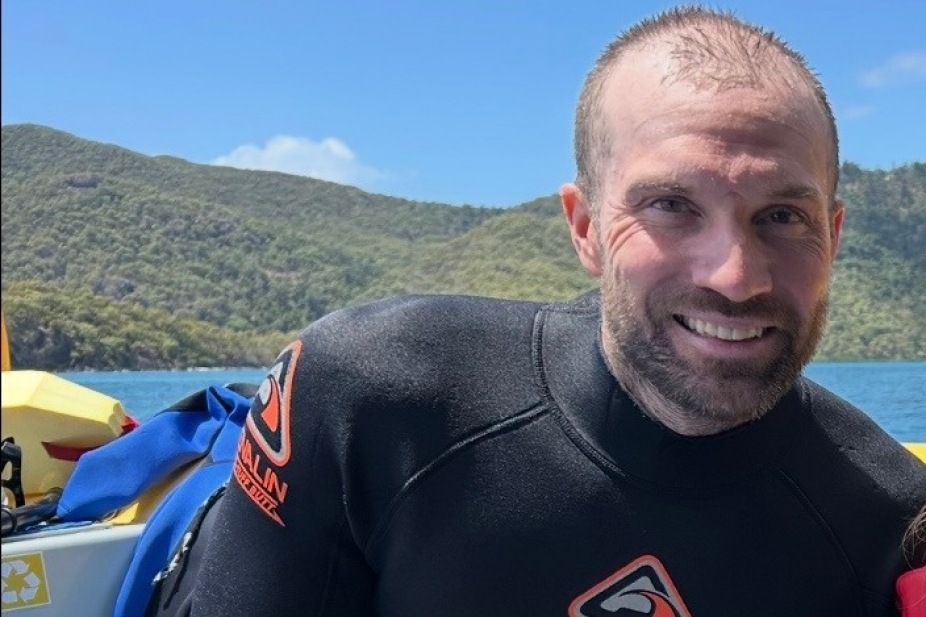
University of Windsor professor of Kinesiology Dr. Anthony Bain is, however, up to both challenges.
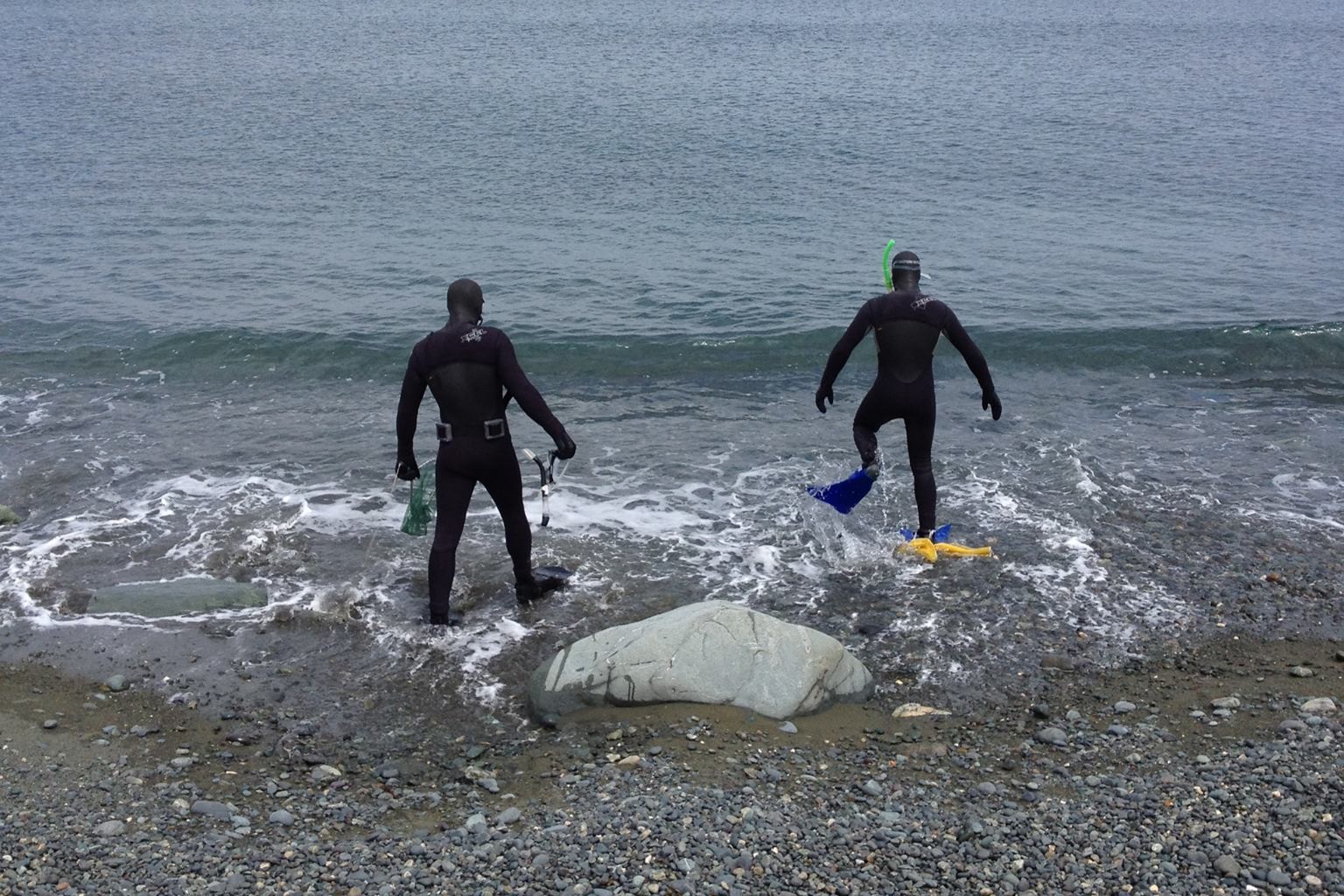
In his article “From bedside to seaside: An academic’s attempt at freediving,” published this year in the Journal of Experimental Physiology, Bain narrates his experience putting his academic work with professional freedivers into practice in a “feats of strength” competition with his brother.
“The lived experience section in Experimental Physiology, it’s awesome,” Bain says.
“It’s all academics or researchers trying the thing that they’ve been researching. Whether it be a marathon, their experience with it, it really brings a great way to get a sense of the physiology in a storytelling way.”
Far less common than marathoning is Bain’s research focus of freediving, also known as breath-hold diving, which involves long periods of apnea — breath-holding — instead of using scuba gear.
Bain began researching this niche sport in 2013 during his PhD studies, at the time not knowing what freediving was. He flew to Croatia with a team doing medical research into the effects of the extreme low oxygen and high carbon dioxide levels associated with extended breath holding.
“This is a very unique model where there’s no confounding comorbidities or drugs on board, and in fact the only model where we can probe this sort of extreme physiology,” Bain explains.
“We were interested in the brain to start off with. How does the brain cope with this change in blood gases?”
Since that trip, Bain has travelled to Croatia almost every year, twice bringing his own team from UWindsor, to work with participants from the Croation National Freediving Team, exploring questions on topics from brain metabolism to sport performance.
While it is not unusual for exercise physiologists to come from a related sports background, breath-hold diving is a niche enough sport that Bain had not anticipated trying it out.
He explains feeling like a fraud or imposter researching the field without having practiced the sport, so he decided to give it a try as part of feats of strength, an annual tradition for Bain and his brother.

“He’s a surfer. He’s really big on the water,” Bain says of his brother. “I thought, let’s incorporate this apnea discipline into our feats of strength.”
Bain was the eventual clear winner in the static hold with a time of over four minutes but lost the underwater competition to his brother due to issues with ear pressure equalization.
Regardless of this defeat, taking the science out of the lab and into the waters off the coast of Nova Scotia was a clear win for accessibility in science communication.
“It’s translating the science in a more digestible way for the average reader,” Bain explains.
This accessibility also reflects the surprising applicability of the science outside the free-diving community with Bain’s ongoing studies having potential relevance to stroke treatment and prevention.
One site of investigation for Bain’s team at the moment is the preparatory breaths that divers take before their maximal attempt to help them withstand the longer breath-hold.
Bain's hypothesis is that swings in blood flow caused by these preparatory breaths cause an increase in frictional or shear stress on the blood vessels, which releases proteins and can cause the vessels to dilate.
“The idea is if you can prime these proteins, then throughout your maximum, you’ll get more dilation, and dilation will help delivery of oxygen to the brain,” he says.
“The translation is to better understand the mechanisms by which the brain adapts, so that you can bring that back to the clinical population, for example in a stroke patient.”
While this research is ongoing, so is Bain’s work on his own breath-hold techniques.
“Feats of strength happen every year, so I’m in off-season right now, but I’ll start training again in the spring,” he says.
“It’d be nice to get to five minutes.”
To read the full article and learn more, visit The Journal of Experimental Physiology.
Courtesy: Kate Hargreaves https://www.uwindsor.ca/news/2025-12-08/do-hold-your-breath-kinesiology-professor-tries-out-freediving